
How Content Marketing Helps Small Businesses Build Trust and Attract Customers
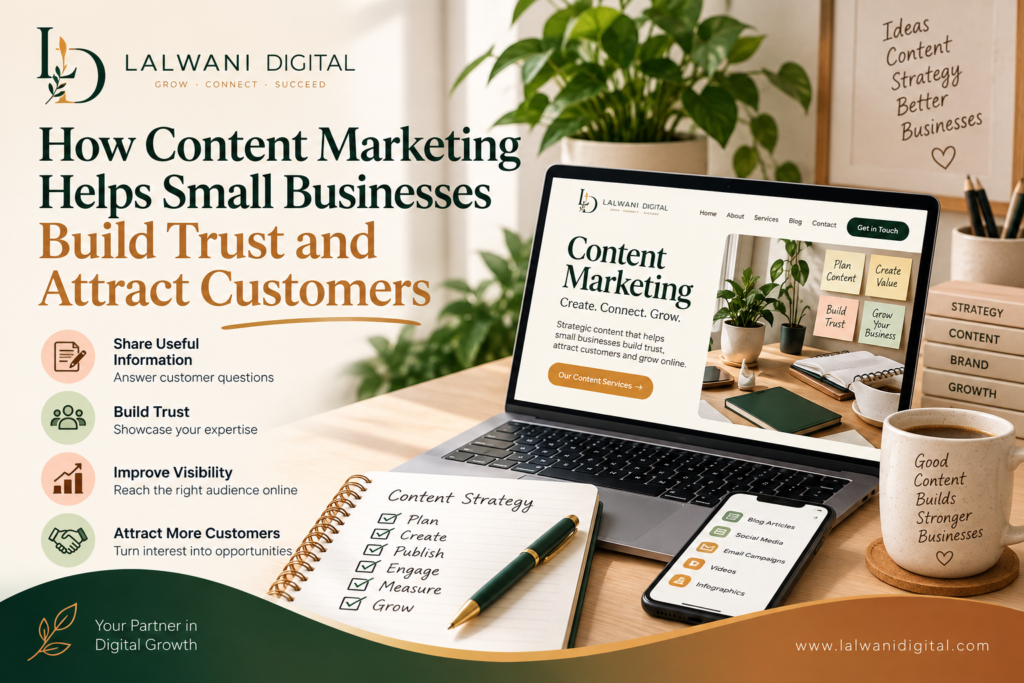
A customer who discovers a business for the first time usually has questions. They may want to understand what the company offers, whether its services suit their needs, or what makes it different from other options.
The way a business answers these questions can influence whether a visitor continues exploring or moves on to another website.
For small businesses, content provides an opportunity to communicate with potential customers before a direct conversation even begins. A helpful article, an informative social media post, or a simple video can explain an idea and introduce the people behind a brand.
This is where content marketing becomes useful. It allows businesses to share knowledge, demonstrate their approach, and create meaningful connections without making every interaction feel like a sales pitch.
In this article, we will look at how content marketing supports small businesses, the formats they can use, and the practical steps involved in creating a strategy that serves real business needs.
Understanding Content Marketing
Content marketing involves developing information and resources that are relevant to a particular audience. Its purpose is to help people understand a subject, explore solutions, or make more informed decisions.
Unlike communication that focuses only on immediate sales, this approach gives businesses an opportunity to demonstrate their knowledge through useful material.
Consider a local bakery that publishes a short guide explaining how to select a cake for different occasions. The guide may introduce its products, but it also helps readers make a choice.
Similarly, a digital marketing agency can publish articles about website planning, search visibility, or social media management. These topics are connected to its services while providing information that business owners can use.
Content marketing can include:
- Educational blog articles.
- Social media graphics and videos.
- Website guides and resource pages.
- Email updates and newsletters.
- Customer stories and project examples.
- Infographics and visual explanations.
The format may change, but the central idea remains the same: create something that is worth a person’s time.
How Content Marketing Supports Small Business Growth
Small businesses need to make thoughtful use of their marketing resources. They may not have large teams or extensive advertising budgets, so every activity should serve a clear purpose.
A planned content strategy can support several areas of business development.
1. Make Your Business Easier to Discover
People often begin researching a product or service by looking for information online. A business that publishes relevant material creates additional opportunities to appear during this process.
For example, a person searching for advice on improving a website may come across an article explaining common design problems. If the article provides useful guidance, the reader may explore the company behind it.
This does not mean every article will attract large numbers of visitors. However, publishing content around relevant subjects can gradually expand the ways people encounter a brand.
2. Show Your Knowledge Through Real Examples
A business does not need to repeatedly describe itself as experienced or knowledgeable. It can demonstrate its understanding by explaining topics clearly and sharing practical insights.
A financial consultant might publish a guide to basic budgeting. A website designer could explain how page structure affects navigation. A digital marketing agency might discuss how businesses can organise their online presence.
These examples allow readers to understand the company’s approach through the information it provides.
Clear explanations and accurate details can help establish credibility over time.
3. Help Customers Understand Your Services
Some customers are unfamiliar with the services they are considering. They may not know what is included, how a process works, or which option fits their requirements.
Content can answer these questions before a customer makes an enquiry.
A business can create material that explains:
- The purpose of a service.
- The steps involved in delivering it.
- Common problems it addresses.
- Important factors to consider before choosing it.
- What customers may need to prepare.
When visitors understand the process, they can approach a business with clearer expectations.
4. Develop Stronger Customer Relationships
Communication should not end once a customer makes a purchase.
Businesses can continue providing useful information through newsletters, social media updates, guides, and relevant announcements.
For example, a company selling gardening products could share seasonal plant-care advice. This information remains useful even when readers are not planning to buy anything immediately.
Such communication gives customers a reason to stay connected with the brand and return when they need related products or services.
5. Support Long-Term Search Visibility
Content can contribute to a website’s SEO efforts when it addresses relevant search queries and provides useful information.
A well-organised article can help search engines understand its subject while making the page easier for visitors to read.
Businesses can strengthen their content by:
- Selecting topics based on audience interests.
- Using clear and descriptive headings.
- Including relevant search terms naturally.
- Connecting related pages through internal links.
- Keeping information accurate and updated.
- Writing for readers rather than repeating keywords.
Search performance depends on several factors, including competition, website quality, and relevance. Publishing an article does not guarantee a particular ranking, but useful content can form part of a consistent SEO strategy.
Choosing Content That Fits Your Business
A successful content plan does not require businesses to publish on every available platform. The focus should be on selecting formats that suit the audience, message, and resources available.
Educational Articles
Blog posts are useful for explaining subjects that require more detail. They can answer common questions, introduce industry concepts, and guide readers through a process.
For Lalwani Digital, topics such as website design, SEO fundamentals, and digital marketing planning can help business owners understand different aspects of building an online presence.
Social Media Updates
Social platforms let businesses share short messages through images, carousels, reels, and captions.
A single blog article can also provide ideas for several social media posts. This makes it possible to share related information in different formats without creating an entirely new topic each time.
Email Communication
Newsletters provide a direct way to share updates with people who have subscribed to receive them.
Businesses can use email to introduce new resources, announce changes, or share information relevant to their audience.
Visual Resources
Charts, diagrams, and infographics can simplify information that might otherwise require lengthy explanations.
They are particularly helpful when presenting comparisons, processes, or step-by-step instructions.
Building a Content Marketing Plan
Creating content without direction can lead to repeated topics and inconsistent publishing. A simple plan can make the process more organised.
Step 1: Identify the People You Want to Reach
Begin by understanding your intended audience.
Consider what they are trying to achieve, which problems they encounter, and what information could help them.
A business serving first-time entrepreneurs may need introductory guides, while an established company may be more interested in detailed industry insights.
Step 2: Decide What Each Piece of Content Should Do
Every article or post should have a purpose.
It might introduce a service, explain a process, answer a customer question, or direct visitors towards a useful resource.
A clear objective makes it easier to select the topic and measure its relevance.
Step 3: Develop a List of Topics
Collect ideas from customer conversations, frequently asked questions, industry developments, and your own service knowledge.
Organise these ideas into categories so that your content covers different subjects without becoming repetitive.
Step 4: Create a Manageable Schedule
Choose a publishing routine that fits your available time.
For instance, a small business could begin with two detailed blog posts each month and a few supporting social media updates.
A content calendar can record the topic, format, publishing date, and any supporting material required.
Step 5: Review Performance and Make Adjustments
Observe how visitors interact with your content.
Website traffic, enquiries, engagement, and clicks can provide useful information about what people find relevant.
If an article attracts interest, consider developing a related guide or creating a shorter version for social media.
Regular reviews help businesses improve their approach based on actual results.
Content Marketing Mistakes Worth Avoiding
A content strategy can become less effective when businesses focus on publishing activity instead of the value they provide.
Some common issues include:
- Writing only to promote: Readers need information that addresses their interests, not repeated sales messages.
- Ignoring the intended audience: A topic may be interesting to the business but irrelevant to its potential customers.
- Publishing without a plan: Unorganised content can create repetition and make consistent communication difficult.
- Using unclear language: Complicated explanations may prevent readers from understanding the message.
- Copying existing material: A business should develop its own explanations, examples, and perspective.
- Neglecting website links: Relevant internal links help visitors discover related information and services.
- Expecting instant results: Recognition and audience relationships take time to develop.
Avoiding these problems helps businesses maintain a more purposeful content strategy.
How Content Marketing Connects With Other Digital Marketing Activities
Content does not have to operate separately from the rest of a business’s marketing efforts.
When different activities support one another, they can create a more connected experience for potential customers.
For example:
- SEO can help relevant articles reach people searching for information.
- Social media can introduce published content to existing followers and new audiences.
- Email marketing can share useful resources with subscribers.
- A professional website can organise articles and guide visitors towards relevant services.
- Paid advertising can direct interested audiences to specific landing pages.
At Lalwani Digital, these services form part of a broader approach to helping businesses establish and improve their online presence.
The aim is to connect useful information with the right audience and provide clear next steps when someone wants to learn more.
Final Thoughts
Content marketing gives small businesses a practical way to communicate their knowledge, explain their services, and maintain relationships with their audience.
Its impact is not measured only by how frequently a company publishes. The usefulness of the information, its relevance to customers, and the consistency of communication also matter.
By understanding their audience, choosing suitable topics, and reviewing their results, businesses can develop a content strategy that supports their wider marketing activities.
At Lalwani Digital, we believe that meaningful digital communication starts with understanding what people need and creating information that helps them move forward.
Explore Lalwani Digital’s services to discover how thoughtful content and a connected digital marketing approach can support your business goals.