
How Small Businesses Can Use Social Media to Build Their Brand
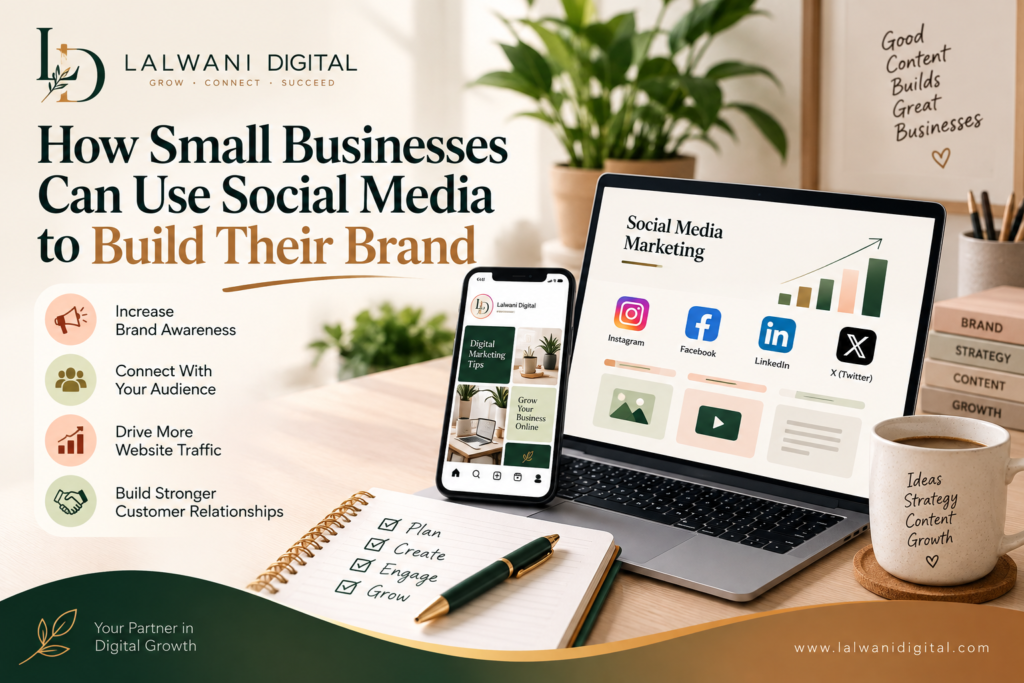
For a small business, getting noticed can be just as challenging as delivering a good product or service. Customers have many options, and a new business must find ways to introduce itself, explain its value, and stay connected with people who may be interested in what it offers.
Social media provides an opportunity to do this without depending entirely on traditional advertising. A thoughtfully designed post, an informative video, or a genuine conversation can help a business reach people outside its existing customer circle.
However, maintaining a social media presence involves more than uploading pictures or announcing offers. Businesses need to decide what they want to communicate, where their audience spends time, and how each piece of content supports their wider goals.
This guide explores how small businesses can use social media marketing to develop their brand, strengthen customer relationships, and create new opportunities for growth.
Understanding Social Media Marketing
Social media marketing is the planned use of networking platforms to communicate a business’s message, present its offerings, and interact with an audience.
It includes several activities, such as:
- Sharing informative and promotional material.
- Publishing photographs, videos, and visual guides.
- Answering questions through comments and messages.
- Introducing new products or services.
- Organising paid campaigns for specific audiences.
- Studying audience responses to improve future content.
For a small business, these platforms can serve as an additional communication channel. They allow owners to explain what they do, show how they work, and remain accessible to people who may eventually become customers.
The purpose is not to gather the largest possible following. A meaningful social media presence is one that attracts relevant people and gives them a reason to stay connected with the brand.
How Social Media Can Contribute to Small Business Growth
1. Give Your Business More Opportunities to Be Discovered
A business cannot attract interest from people who have no idea it exists. Social media offers another route through which audiences can encounter a brand.
Consider a home-based bakery that shares photographs of its customised cakes. A person who sees a post might share it with a friend planning a celebration. That recommendation could introduce the bakery to someone entirely new.
Similar opportunities exist for service providers. A designer might display recent work, while a consultant could publish short explanations of common industry problems.
Each post creates another opportunity for people to learn about the business.
2. Make Your Brand Easier to Recognise
A recognisable brand develops through repeated exposure to consistent messages and visuals.
Businesses can create this familiarity by maintaining a similar approach to:
- Colours and graphic styles.
- Tone of voice.
- Profile descriptions.
- Content themes.
- Logo placement.
- The way services are presented.
For example, a business that regularly publishes clear, educational content about its field can gradually become associated with that subject among its followers.
Consistency does not require publishing every day. It means presenting your business in a way that feels connected, reliable, and recognisable whenever someone encounters it.
3. Give Customers a Better Understanding of Your Business
People may want more information before deciding whether to contact a company. Social media can help answer some of their questions in advance.
A business could share its working process, explain how a service is delivered, introduce its team, or address frequently asked questions.
These details help visitors form a clearer picture of what to expect.
For a small business, showing the real work behind its products or services can also make communication feel more personal.
4. Turn Customer Interactions Into Useful Conversations
Social media allows customers to respond directly to the content a business publishes.
They might ask about pricing, request further details, share feedback, or comment on a recent update.
These interactions provide an opportunity to understand customer concerns and respond with relevant information.
They can also reveal topics that deserve more attention in future posts. If several people ask the same question, for instance, a business could create a dedicated guide explaining the answer.
In this way, everyday conversations can help shape a more useful content strategy.
5. Connect Social Media With Your Website
A social media profile can introduce a business, while its website can provide more detailed information about its services.
The two channels can support one another.
Imagine a visitor discovers a post about website design. The caption directs them to a relevant service page, where they can explore the process, understand the offering, and submit an enquiry.
This connection is particularly useful when a business wants to turn social media interest into meaningful website activity.
At Lalwani Digital, for example, educational posts about website development can guide interested readers towards the relevant service page for further information.
Choosing Platforms That Suit Your Business
Every social network has its own format and audience behaviour. Instead of trying to maintain an account everywhere, consider where your potential customers are most likely to engage.
Instagram
Instagram supports visual communication through photographs, reels, stories, and carousel posts. It can be used to display products, explain ideas, and share regular updates.
Facebook
Facebook provides business pages, community features, events, and advertising tools. It helps businesses stay in touch with customers and participate in relevant communities.
LinkedIn
LinkedIn is suited to professional communication. Consultants, agencies, and B2B businesses can use it to publish industry insights, share company developments, and present their expertise.
X
X supports short updates and ongoing conversations. Businesses can use it to share announcements, respond to discussions, and distribute relevant information.
Your platform selection should reflect your audience and objectives, not simply the popularity of a particular network.
Five Content Ideas for a Small Business
Planning content becomes easier when you work with a few clear themes rather than searching for a new idea every day.
1. Helpful Information
Publish material that answers questions your audience regularly asks. Tutorials, practical tips, and short explanations can make your account a useful resource.
2. Product and Service Introductions
Present what your business offers, explain its features, and tell interested people where they can find additional details.
3. A Look Behind the Work
Share glimpses of preparation, planning, creative decisions, or everyday business activities. This gives followers a better understanding of the effort involved in your work.
4. Interactive Posts
Use questions, polls, and discussion prompts to invite participation. Responses can help you understand your audience’s interests and preferences.
5. Customer Experiences
With permission, publish testimonials, feedback, or examples of completed projects. These stories can help potential customers understand the kind of experience your business provides.
Social Media Challenges Small Businesses Should Watch For
Maintaining an account without a clear plan can lead to unnecessary effort. A few common problems are worth addressing early.
- Unplanned publishing: Decide on content themes in advance so that your communication remains connected to your business goals.
- Constant promotion: Balance announcements with educational and engaging material that offers value to followers.
- Unanswered messages: Set aside time to respond to genuine questions and enquiries.
- Identical posts across platforms: Adjust the format and presentation to suit each network.
- Unrealistic expectations: Audience growth and business enquiries can vary. Avoid treating a single post’s performance as a measure of long-term success.
- Ignoring useful feedback: Review audience responses and use them to improve your approach.
Building a Practical Social Media Routine
A manageable process is often easier to maintain than an elaborate plan that demands more time than a small business can spare.
You can begin with these steps:
- Set a clear objective. Decide whether your immediate priority is introducing your brand, sharing expertise, promoting a service, or receiving enquiries.
- Describe your intended audience. Consider their interests, common questions, and preferred communication channels.
- Select suitable platforms. Begin with the networks that fit your business rather than spreading your resources too thinly.
- Prepare a content calendar. Assign topics to specific dates so you can plan graphics, captions, and links ahead of time.
- Keep your presentation consistent. Use recognisable branding and a tone that reflects your business.
- Make time for interaction. Respond to comments and messages as part of your regular routine.
- Review meaningful results. Look beyond follower numbers and examine profile visits, website clicks, enquiries, and other measures connected to your objectives.
The purpose of this routine is to make your social media activity more deliberate and easier to manage.
How Lalwani Digital Supports a Business's Online Presence
At Lalwani Digital, social media marketing is considered alongside the other elements that contribute to a business’s digital presence.
Our services include:
- Social Media Marketing
- Search Engine Optimization (SEO)
- WordPress Website Development
- Google Ads
- Meta Ads
- Content Marketing
These areas can complement each other. Social media can introduce people to a brand, a website can explain its services in greater detail, and useful content can provide additional information for interested visitors.
The appropriate combination depends on the business’s needs, audience, objectives, and available resources.
Final Thoughts
A social media account becomes more meaningful when its content reflects the business behind it. Rather than publishing simply to remain active, small businesses can use these platforms to explain their work, answer questions, and maintain communication with relevant audiences.
A clear purpose, recognisable presentation, and realistic publishing routine provide a practical starting point. Over time, reviewing audience responses can help businesses refine their content and make better use of their efforts.
At Lalwani Digital, the focus is on helping businesses develop a professional online presence through practical digital marketing services.
Explore Lalwani Digital’s services to discover how a thoughtful digital strategy can support your business goals.